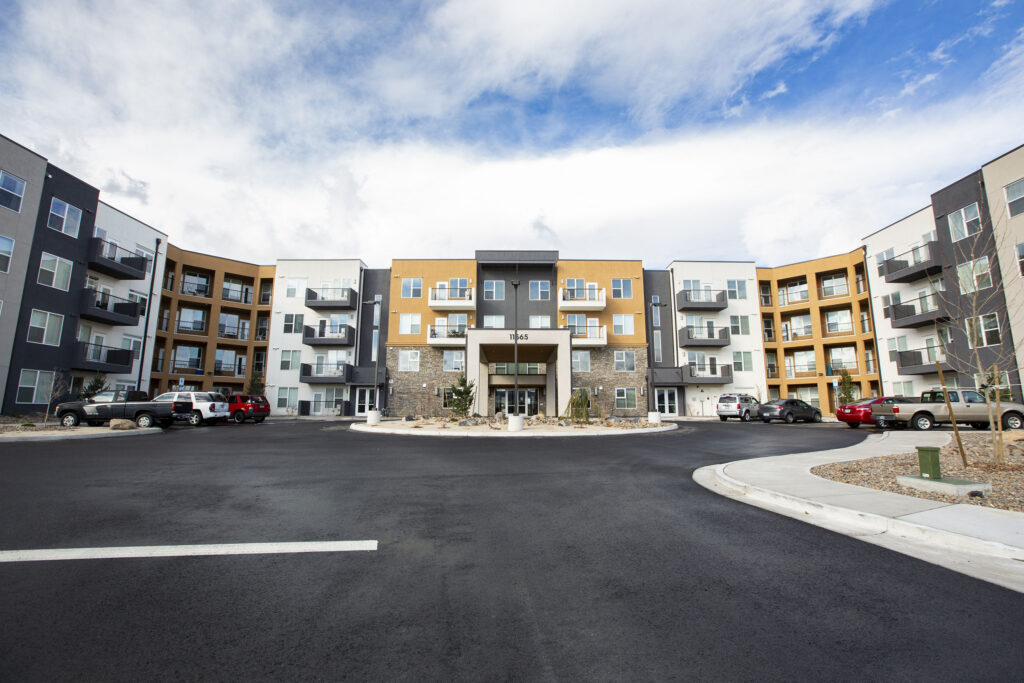
Affordable housing programs use specific rules to determine who qualifies for designated apartments and how allowable rent is calculated. Vintage at Crossings is a 55+ affordable community in Reno, and certain apartments are set aside for households whose annual income falls within the limits of the program that applies to the apartment.
The details can feel unfamiliar at first. Understanding a few core terms can help you prepare useful questions for the leasing team.
Income limits can vary
An income limit is the maximum household income permitted under a particular affordable housing program. Not every apartment is necessarily governed by the same requirement. The official Vintage at Crossings source explains that different apartments may have different income requirements depending on the applicable program.
That is why a general online number cannot replace an apartment-specific review. Household size, the apartment being considered, and the program attached to that apartment can all matter. Ask the leasing team which requirements apply to the apartment you are interested in and what documentation will be needed.
What Area Median Income means
Area Median Income, often shortened to AMI, is determined annually by the U.S. Department of Housing and Urban Development for each county and metropolitan area. Affordable housing programs may use a percentage of AMI to establish income limits. The source notes that limits may be higher for larger households and larger apartments.
Because HUD updates AMI each year, current figures may differ from numbers you saw in an older brochure or search result. Request the current limits directly from the leasing team rather than relying on a past-year figure.
How allowable rent is connected
The allowable rent for an affordable apartment is tied to several factors. At Vintage at Crossings, the source identifies the number of bedrooms, the program that applies to the apartment, the applicable AMI, and the utility allowance. A utility allowance accounts for specified resident-paid utility costs under program rules.
AMI and utility allowances can change annually. As a result, the allowable rent may also change even when a household’s income has not changed. Current rent and any other charges should be confirmed before making a housing decision.
Prepare for an apartment-specific conversation
Before contacting the community, note your household size and the one- or two-bedroom layout you are considering. Ask which affordable program applies, what income period is reviewed, which documents are accepted, and whether any additional qualification standards apply. Do not send sensitive personal or financial information through an ordinary contact form; ask the leasing team how documents should be submitted securely.
Prospective residents are responsible for confirming the requirements for any apartment they are considering. The leasing team can explain the current process, but the published community page does not provide fixed income thresholds in the source materials reviewed for this guide.
Read the complete income requirements overview, compare one- and two-bedroom floor plans, and contact Vintage at Crossings for current apartment-specific guidance.